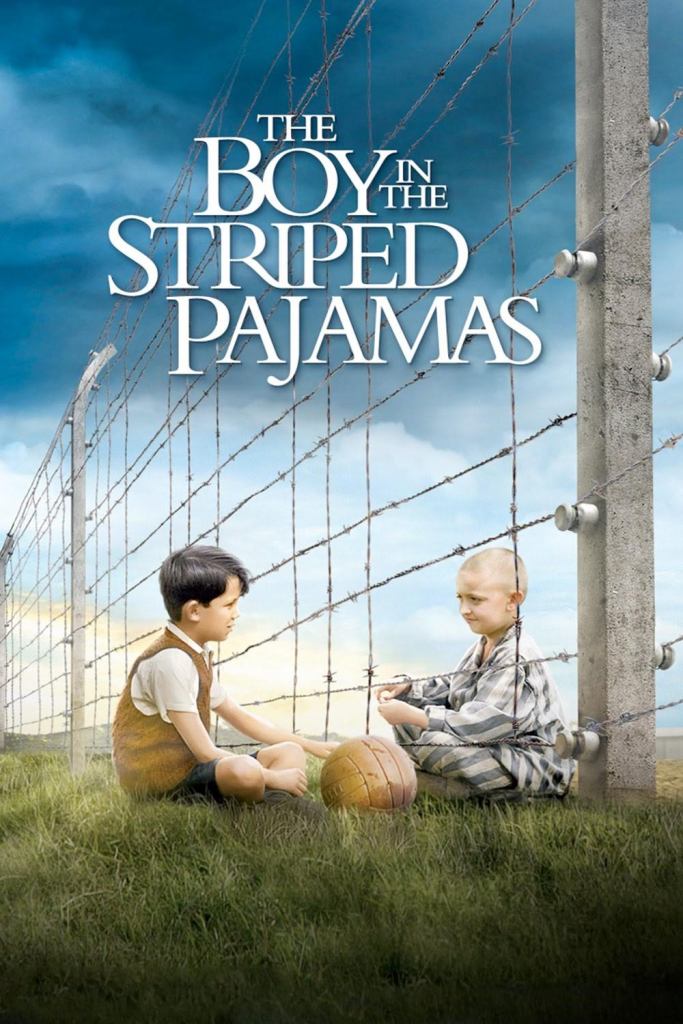
Watching it for the 2nd time but still it gave me the same stomach churning awful feeling. The Boy in the Striped Pyjamas is one of those movies which is bound to either make you cry or leave in a numb state of silence. This has to be the most dreadful depiction of Holocaust written and directed by Mark Herman, where we see the entire film through the eyes of 2 little boys on either sides of the fence of a concentration camp. The film excels in every department be it cinematography or bgm every praise is an understatement.
A masterpiece! The bond between Dr. Grace played by Ryan Gosling and the alien Rocky is absolutely endearing, bound to make you cry (at least I did). Brilliant cinematography and the vfx shots are mind baffling ❤
The film Adamya, directed by Ranjan Ghosh, is a gritty political survival thriller. Presented by Aparna Sen, the film is set against the Sunderbans which is symbolic of the plot.
The story centers on Palash (played by Aryuun Ghosh), a young revolutionary who is on the run after a failed assassination attempt on a prominent politician. He seeks refuge in a secluded, abandoned mud hut deep within the swamps of the Sunderbans.
The film isn’t just about his physical evasion of the law; it is an internal exploration of his ideological conviction. Based on the poem “Deshlai Kathi” by Sukanta Bhattacharya, the film uses the metaphor of a matchstick—small and fragile, yet capable of burning down an entire forest—to represent Palash’s defiant spirit.
Things I liked :
1. Much of the narrative is carried by the protagonist’s actions, his environment, and the evocative soundscape. Shot by Arkaprabha Das primarily in natural light (or the absence of it), the cinematography captures the Sunderbans not as a tourist destination, but as a claustrophobic, “swampy labyrinth.” The visual texture feels lived-in and raw.
2. Palash has a tattoo of Bhagat Singh on his chest, and the film invokes the spirits of young revolutionaries like Sukanta Bhattacharya and Murari Mukhopadhyay. It contrasts the natural world’s indifference with the man-made violence of political systems.
3. Aryuun Ghosh’s Performance as the lead, anchors the film with a physical performance that requires navigating slush, forest undergrowth, and deep emotional isolation.
4. The film highlights its importance as a work that addresses land exploitation, systemic corruption, and the disillusionment of modern youth.
5. Adeep Singh Manki and Anindit Roy create an atmosphere of constant tension, where every rustle in the forest feels like a potential threat.
Things I didn’t like:
1. Somewhat slow pacing made me lose interest.
Because it focuses on the internal state and physical survival of a single character in isolation, there are long stretches with very little action or plot development. For viewers accustomed to the faster narrative beats of a standard thriller, the deliberate pacing can feel stagnant rather than atmospheric.
2. While the silence builds tension, it also makes the film’s political messaging feel somewhat abstract. The protagonist is driven by intense revolutionary ideals, but because he has no one to talk to for much of the film, those motivations are mostly conveyed through symbols (like the Bhagat Singh tattoo) and literary references. Viewers unfamiliar with the history of Bengal’s radical movements or Sukanta Bhattacharya’s poetry might find it difficult to fully connect with the “why” behind the character’s actions.
5. Lack of background of the protagonist doesn’t register the character and without a proper character establishment I couldn’t connect with the character. Why he’s doing? What he’s doing? Is he an extremist or a revolutionary? You don’t get to know even by the end of the film.
I had heard and read a lot about Devdutt Pattanaik’s books but this is the first time I read a book of his. Devdutt Pattanaik’s ‘Jaya: An Illustrated Retelling of the Mahabharata’ is a masterful retelling of the ancient epic. Absolutely ideal for young people who are willing to read and know the story of Mahabharata in simple language. It has a perfect blend of storytelling and insight. Pattanaik brings the characters and world of Mahabharata to life, making it accessible to modern readers. His interpretation is engaging, thought-provoking, and filled with fascinating perspectives on the human condition. A great introduction to the Mahabharata, and a compelling read for those familiar with the epic too. And you ate highly mistaken if you think it’s just another mythological fiction, because at the end of every chapter the real facts and data along with dates are also given for the rational thinkers. The anecdotes (somewhat summaries of each chapter) at the end of every chapter reminded me of my childhood science or EVS text books (nostalgic), but since there are so many characters and events these summaries help the reader to keep a track. Absolutely loved it!
After watching both the parts I realised even propaganda can be sold and fed to the audience if wrapped in a wrapper of somewhat well crafted filmmaking and engaging performances by the actors.
Things I didn’t like :
1. One sided narrative.
2. Propaganda, propaganda & propaganda
3. Rubbish facts stuffed in the name of fiction.
4. Complete absence of female roles.
5. Glorification of pseudo masculinity.
Things I liked :
1. Well maintained plot that connects the dots.
2. Music.
3. Engaging performances by the actors.
4. The portrayal of emotions in characters like Major Iqbal (the abusive father scenes), Rehman Dakait (losing his son and family oriented scenes) and last but not the least Jaskirat Singh Rangi (last scene when he’s in the emotional turmoil and dilemma whether to go inside his house or not. Also the scene where he finds his sister as a hostage). The credit here also goes to the actors (Arjun Rampal, Akshay Khanna & Ranveer Singh) of course.
5. Utilisation of music/bgm in plot development.
6. Special mention has to be Rakesh Bedi.
Now, coming onto some facts :
1. The Research and Analysis Wing (R&AW) was established on September 21, 1968. Founded under Prime Minister Indira Gandhi. (Information was available on the internet)
2. Jameel Jamali was is in Lyari since 45 years, he was sent in 1981 when Indira Gandhi was the PM. (As shown in the film)
3. Ranveer Singh’s character Hamza went to Lyari in mid 2004, when PM was Dr Manmohan Singh. (As shown in the film)
4. Ilias Kashmiri on whom Major Iqbal’s character is based on, died in 2011 in a US Drone attack, when India’s PM was Dr Manmohan singh. (Available on the internet)
5. SP Choudhary Aslam (a real character played by Sanjay Dutt on screen) died in Jan 2014 in a suicide car bombing in Karachi, Pakistan when India’s PM was Dr Manmohan Singh.
So, now please make sense of the whole demonetization narrative shown in the film. Films can’t replace history books I’m sorry to break that bubble! The compelling storytelling and execution made people forget the fact that film is “based on true events” not “the true events” itself.
Slick cinematography and world class production value can’t beat objective reality. Yes, the film uses real dates of events (26/11), real footages (PM’s oath ceremony, demonetization) and real news headlines. It’s a crazy case of cinematic gaslighting where the background is real people assume the hero is real as well. But the protagonist is not.
Dhurandhar is like that viral WhatsApp forward our parents keep sending us, just in a high budget and 4k version. It validates people’s bias. People are buying this narrative because it feels good to them. When people stop being able to differentiate between a screenwriter’s imagination or a director’s vision and actual facts, they become dangerously easy to influence.
Appreciate the craft. Cheer for the acting. Even howl and hoot at the action sequences. But for the love of logic, read a book. Art is meant to move you, make you think and feel, not to be your only source of truth. Use your eyes for the screen, but use your mind for the world. As the iconic dialogue says, “Hindustan mein jab tak Cinema hai, log chye bante rahenge“*. Let’s not be one!
Last time I saw a housefull show of a bengali movie was of ‘Ballabhpurer Roopkatha’ and today it was the much talked about and hyped ‘The Academy of Fine Arts’. And after the movie ended the first thought that came to my mind was if you make such movies crowd WILL definitely come, there’s no need of melodramatic bangali emotion e shurshuri pleas of “Bangla cinemar pashe daran”. Because let’s face it when you are not making a movie you are thinking about your profits you’re not doing charity so why expect that from your audience? Now coming to the movie, I really liked it! The innovative use of on screen texts, out of the box framings in cinematography, amazing application of witty bgms as both diegetic & non diegetic sound, and a genuine performance of Rudranil Ghosh after a very long time. Also, Amit Saha who played the character of Bireshwar Bal absolutely nailed it. The victory of his performance lies in the fact that I hated him and a lot of people in the audience felt anxious whenever he went inside a kitchen (you know if you know, cant give spoiler). Loved the fact that even while portraying tragedy the film didn’t lose it’s realistic approach and deviate into melodrama. Jayabrata Das , being a first-time director has done a splendid job! But this doesn’t make the film flawless though. To be precise I didn’t like 3 things. First, the overuse of breaking of the fourth wall. It constantly broke the flow of the narrative. Maybe that was intentional from the director’s end but i feel the narration voiceover was enough to register everything so the usage of breaking the fourth wall so often every now & then could have been reduced. Second, the lame english accent of Payel Sarkar. She’s the weakest link in the otherwise competent cast who did a fair job in portraying their characters. Third, the 2hr 29mins runtime. A shorter runtime could have been an edge of the seat experience where the constant plot twists would not have felt stretched at times. Well, everything said and done this movie is definitely worth watching. Even if there are faults at least someone attempted to do something different. May our bengali cinema flourish with these kind of cinemas and many more different kind of cinemas with different concepts executed differently in the upcoming future. Because honestly I feel today’s bengali cinema industry has forgotten the fact that India witnessed Indian New Cinema originating from Bengal holding Ray’s Pather Panchali’s hands. So, if Bengal could do it back then, it can do it now as well!
The feeling of watching a movie at the theatres sitting with a bunch of other people after ages is absolutely inexplicable !! So talking about the movie Bell Bottom doesn’t really dissapoints. This is not only Akshay Kumar’s comfort zone genre it’s now his home territory. The movie did keep us on the edge of our seats with that feeling of a espionage thriller throughout it’s 2hr 10 mins runtime. But the VFX and graphics work could have been a lot better I feel cause at few moments it looked like the animated graphics used in mobile games which kind of degraded the authenticity of the scene and situation. Akshay Kumar does sport the look of an agent quite well but don’t expect anything new that we haven’t seen before from him. Vani Kapoor does justice to the short screen time she has. Dolly Ahluwalia as Raavie Malhotra is super cute and adorable. The prosthetic make up used for the transformation of Lara Dutta is absolutely stunning. And she maintains that demeanor with all the authority and grace required. There’s this one dialogue in the end where Akshay Kumar says that we not only belong from the land of Gandhi but we also belong from the land of Bose. This dialogue just melted my heart like anything ❤ So basically as the comeback of theatres in our lives Bell Bottom is a great watch but as I said earlier don’t expect anything new as this is a been there done that to death genre in Bollywood now especially when it’s starring Akshay Kumar.
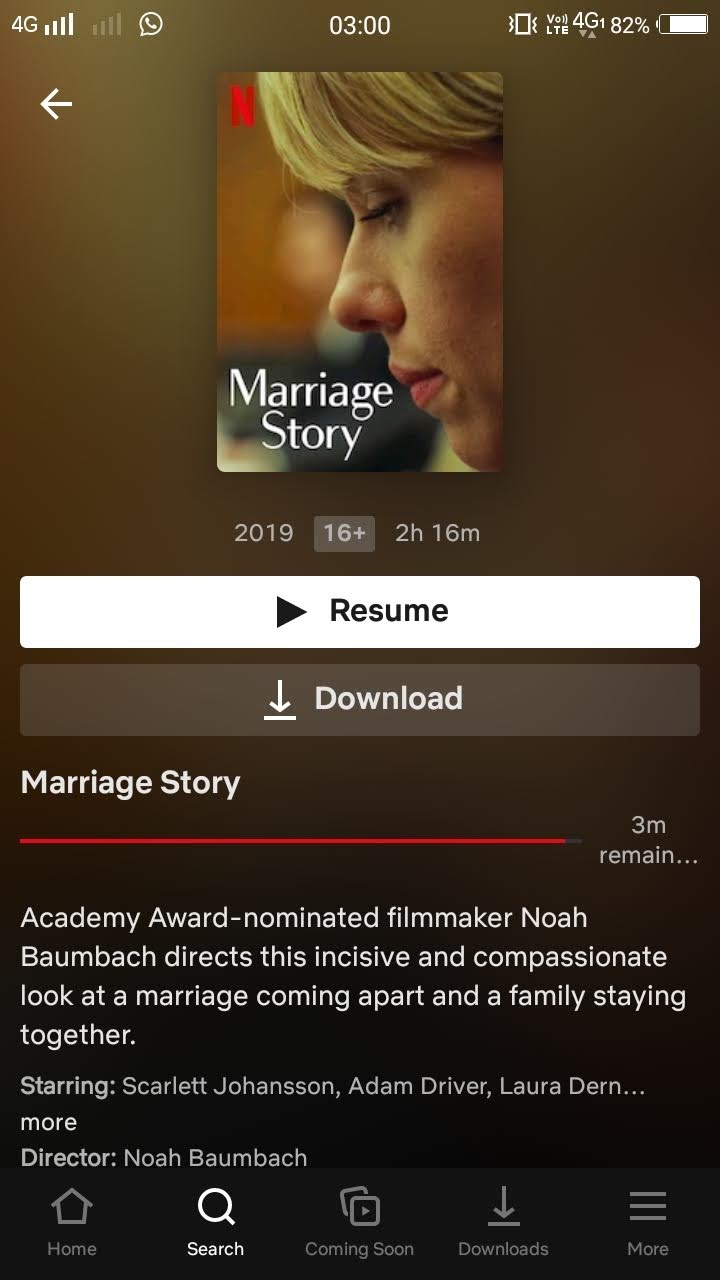
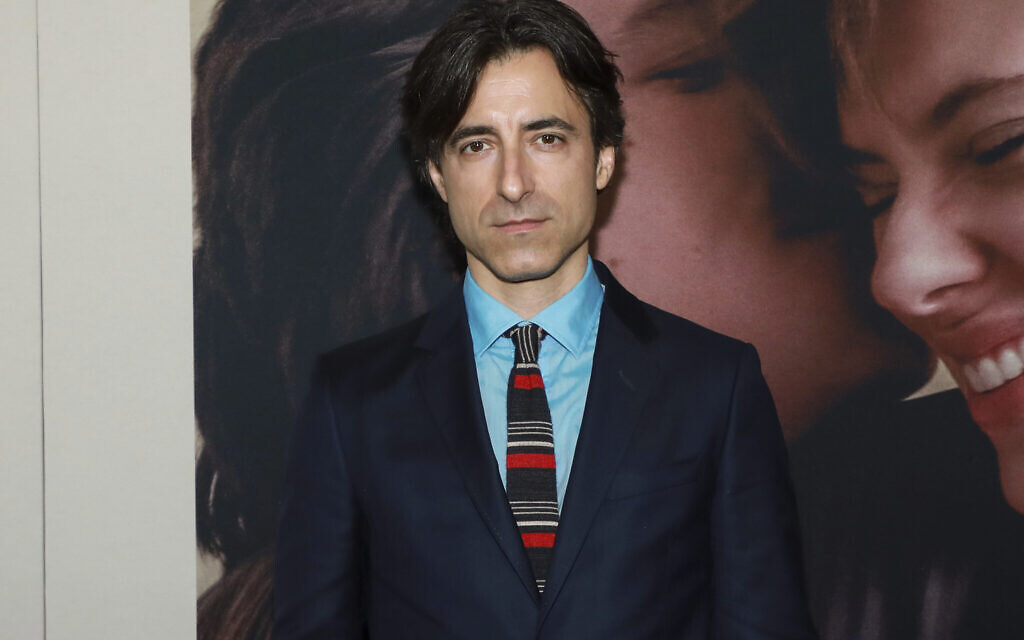
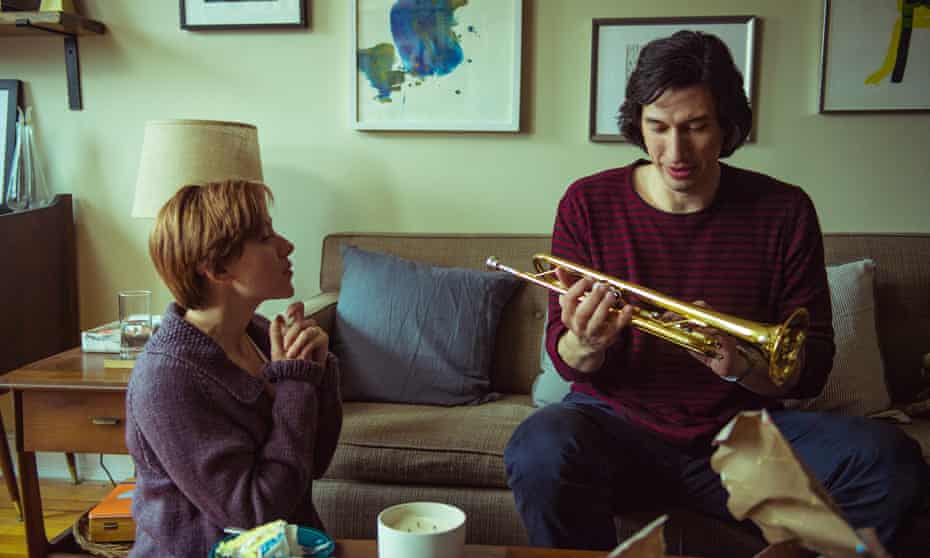
Noah Baumbach’s film, “Marriage Story” isn’t so much a story of a marriage as it is a story of the stories that are told about a marriage as it dies, the role of those stories in the lives of those who are soon to be exes, and, above all, the frameworks that give rise to those stories and prove to be inseparable from their substance. The movie “Marriage Story” shows how the sphere of intimacy is transformed into a malignant poison as soon as the relationship in which it flourished is broken off.
Divorce is described in Noah Baumbach’s masterful “Marriage Story” as like a death without a body. Something has been lost. There is grieving, anger, denial. In his moving story, Baumbach captures the insidious nature of divorce, how two well-meaning people who still care about each other will do things they would never think they would do. Baumbach portrays divorce as a great equalizer, turning us into versions of ourselves we didn’t expect to become.
And, despite some surprising bits of humor, this is very much a domestic drama. In effect, the entire movie is one of duelling monologues, spoken and unspoken, two hours of sharp, painful, witty, and elegant talk that is nonetheless rooted in the impossibility of communication. Baumbach presents the elusive nature of love, the ineffable spark at its core and the realm of practicalities by which it’s defined and realized. He testifies to the phrase I heard somwhere by someone I don’t remember I i.e.“There’s no such thing as love, there’s only proof of love.”
Marriage Story, is a film where thoughts and feelings are articulated so precisely that viewers know exactly what the characters are going through. This film is a searing portrait of a relationship ending. It is insightful, sympathetic and rather beautifully bewildered.
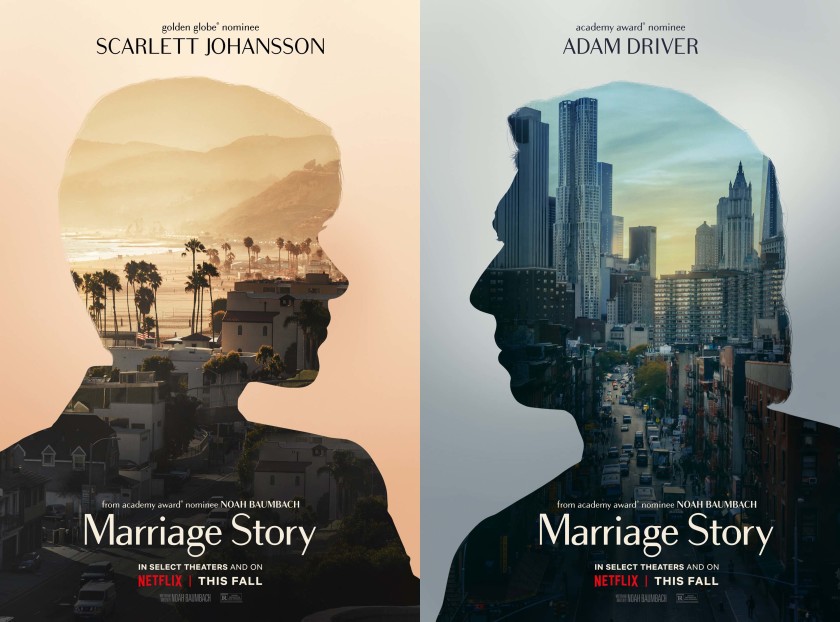
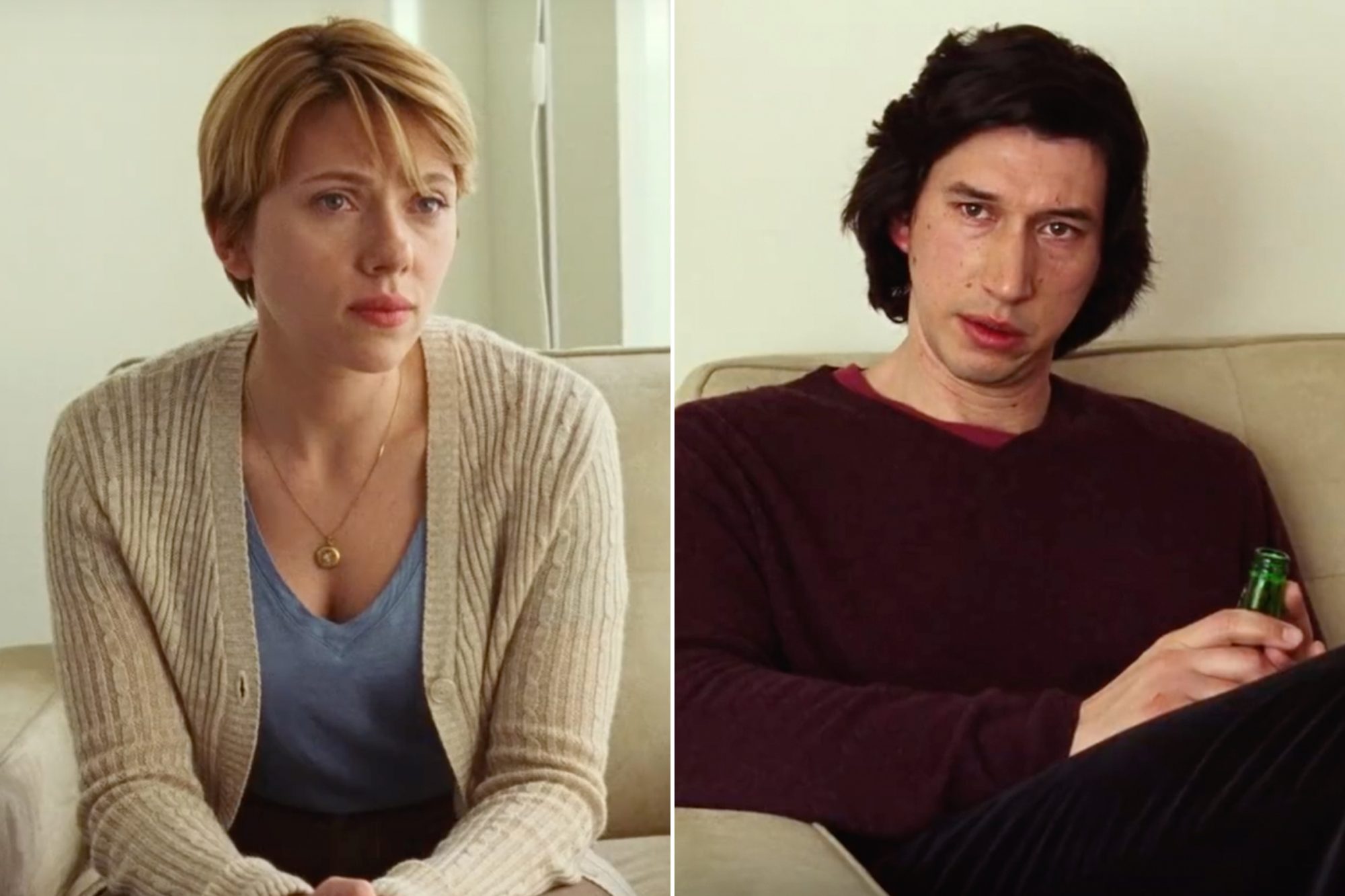
At the centre of it all, however, are a pair of brilliant performances by Scarlett Johansson and Adam Driver, both of whom embrace and inhabit their characters’ flaws and foiblesBoth of them deliver stunning performances. Driver and Johansson portray emotional and complex work very much effortlessly. They’re good throughout, but they each get a “scene” of their own, a background speech from Nicole when she first goes to Nora and a breathtaking one from Charlie at a bar near the end and a scene together, the big fight that we never think will happen with our partners. The one where we say what we shouldn’t say. The one where things change forever. To sum it up Scarlett Johansson and Adam Driver excel as a couple caught in the storm of an increasingly vicious and often hilarious separation in Baumbach’s bittersweet heartbreaker.
The two leads own the film, but the ensemble cast is quite remarkable too. In the supporting roles, Laura Dern as Nora Fanshaw is superb, Ray Liotta as Jay Marotta kills it as a lawyer operating somewhere between reasonable and crazy, and Alan Alda as Bert Spitz offers a softening influence, perfectly in tune with the ultimately forgiving attitude that lifts this film to a higher level.
The use of tonal montage is very much evident throughout the film which adds to the creation of a beautiful tone and ambience matching to the feel of the situations. When I started watching this film I couldn’t have imagined of a happy ending in such a story but the ending was an absolute pleasant surprise to me.
Wishing a very Happy 75th Independence day with a tinge of hope inside me that some day we’ll again become truly independent when Freedom of Expression won’t be curbed, Democracy will not be sabotaged, Judiciary won’t be compromised, Minorites won’t be oppressed, Religion will not be a propaganda, Journalists will not get harassed and jailed for standing up for the truth, people will not get called by names like wokes/liberals/feminists/socialists for speaking their point of views and last but not the least irrespective of their religion, status, or gender may everyone be able to breathe freely in our own land…..
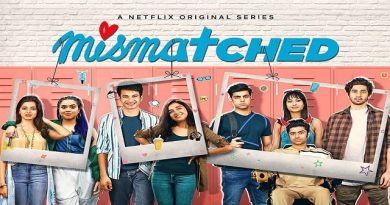
At the heart of the Netflix series Mismatched it’s a cute love story. However, it would have been a much better experience had it explored the peripheral storylines. Mismatched comes at a time when we were craving the warm embrace of familiarity. Set against conversations about first love, femininity, beauty standards, queerness, marriage, career, ambition Mismatched creates an air of nostalgia with hints of wokeness that could entrap anyone looking for a comfort watch in its web of lies about reality.
The thing about successfully pulling off a show or a film about young people is that you have to be careful not to make a caricature out of your characters. We’ve seen this happening in many films, where the youth is seen as alcohol drinking, pot smoking, and irresponsible bunch of people. That might even be true in many cases, but that’s not all young people are about. Netflix’s new series Mismatched seems to understand this as it tells the story of a very diverse group of youngsters. However, the show only scratches the surface of this diversity and fails to play to its strength and explore the diversity.
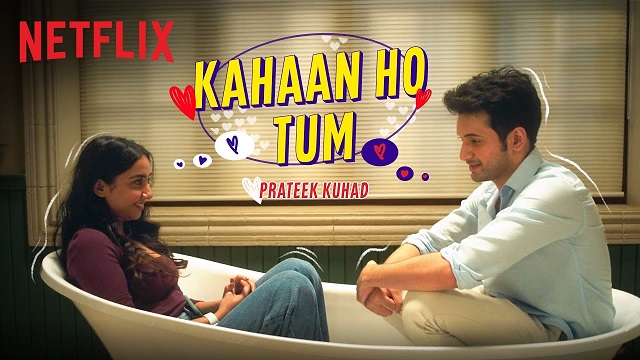
The show is trying to be the classic teenage love story, unpacking the supposed individualism of a group of confused teenagers that are focused on love, alcohol, sex, and app development. And don’t get me wrong, I love cheesy love stories. I loved Rishi’s filmy pickup lines and the classic coming-of-age city exploration montage complete with an original Prateek Kuhad soundtrack for the vibes (I’m absolutely in love with the song Kaha Ho Tum ❤).
One thing the show gets right is the atmosphere of sweetness it creates around the central characters’ love story. Untouched by evils and judgement, the relationship is tender, kind, and consensual. It is the sweet love story a teenage Indian audience deserves to see represented. The chemistry between Koli’s vulnerable sweetness and Saraf’s boyish charm is undeniable. While the characters are painfully privileged and occasionally overdramatic, Dimple and Rishi laughing in the rain and sharing a kiss under fairy lights may be the comfort you need after the year we’ve had.
The different characters in the show make it an interesting watch. However, the show focuses so much on Dimple and Rishi that it does not do justice to other storylines. Broaching on subjects of gay trauma, the show exploited Namrata’s pain as a plot point for Rishi’s character arc.
It left me thinking, when will people learn to let their queer characters be unapologetically themselves? Why are queer characters always considered as character plots for the heterosexual protagonist? I am tired of rejoicing in representation that is subsequently used to harsh pain. If the show has been so comfortable brushing over reality, why was it this character whose trauma was easy to attack? Much to think about.
Prajakta Koli as Dimple Ahuja is sweet and looks confident on screen, she’s a great performer but lacks consistency in this series. Rohit Saraf as Rishi Shekhawat is as usual his cute self best and fulfills the requirements of the character quite well. But I would like to see more layers to the character other than his cuteness. Rannvijay Singha as the cool professor does a fair job and is a fresh treat to watch from his stereotypical MTV shows. And Vidya Malvade as the boomer portrays her role very nicely. The scene where she gets drunk and confides in professor Siddharth Sinha (Rannvijay Singha) is beautiful to watch.
The haphazard, painfully rushed, trainwreck season finale leaves us confused in more ways than one. Mismatched isn’t meant to be the show you think about too much. And it wouldn’t be if it wasn’t for the disaster of a season finale that left me wanting more (i.e. an explanation, really). If you’re looking for a good show, keep looking. But if you’re looking for a few sweet moments and some background noise, this is the binge you need.
Mismatched is a show which should be watched for what it is, a light teenage drama to be binged on a weekend. There isn’t a lot of depth in it, but it really isn’t fair to expect it from the show in the first place.



















 Rajrupa Das 3rd Sem (Blog Assignment)